Tag: Design

  • Email Marketing is Still King

    Email Marketing is Still King

    Why Email Marketing Is Still the King of Conversions Heading into 2026

    Every couple of years, someone comes along to declare email is dead. The headlines pop up like clockwork: “Email is Over,” “No One Reads Emails Anymore,” or “Social Media Has Replaced Email.”

    But here we are, stepping into 2026, and email is still the number one conversion tool in digital marketing. In fact, it’s stronger than ever.

    The truth is, email isn’t going anywhere. People may scroll past ads, algorithms may hide your posts, SEO may take months to gain traction — but email lands directly in the inbox. It’s personal, measurable, and built to drive action. For businesses serious about generating leads and conversions, email remains the backbone of a strong digital strategy.

    At ShiverMedia, we’ve been in the email game for over 20 years. We’ve run campaigns for dating apps, fitness brands, travel companies, and entertainment projects. We’ve seen the shift from basic text newsletters to hyper-personalized, AI-powered, data-driven campaigns. And after two decades, we can say this with confidence: email is not dead — it’s the best tool you have for conversions in 2026.
    email is always king

    Why People Still Think Email Is Dead

    So why do people keep writing obituaries for email marketing?

    1. Shiny New Toys Every new platform — from TikTok to Threads to whatever comes next — creates the illusion that older channels are irrelevant. But trends come and go. Email stays.
    2. Overcrowded Inboxes Yes, people get a lot of email. But they still read the ones that matter. The average professional checks their email around 15 times a day.
    3. Poor Campaigns Marketers who blast irrelevant, spammy content see weak results and assume email doesn’t work. The truth is, bad email doesn’t work. Good email still crushes it.
    4. Spam Confusion Many people confuse spam with real marketing. Spam is junk. Real email marketing is permission-based, relevant, and adds value.

    When you look at the actual numbers, email tells a different story. The industry average ROI continues to sit around $36 for every $1 spent. Social media ad costs are rising, SEO takes months to generate returns, but email delivers results you can measure instantly.


    True Email vs. Spam: The Big Difference

    It’s worth underlining this point: true email marketing is not spam.

    • True Email Marketing is personalized, relevant, and permission-based. People opt in because they want your content. The emails are tailored to their interests, behaviors, or past purchases. They respect boundaries and create trust.
    • Spam is generic, intrusive, and often sent without consent. It’s the digital equivalent of junk mail. It doesn’t care who’s on the other end.

    We’ve seen this difference play out in real campaigns.

    For a dating app client, instead of blasting the same message to everyone, we created behavior-based triggers. If someone hadn’t logged in for two weeks, they got a gentle nudge. If someone had just joined, they got a welcome sequence guiding them through features. The results? Engagement rates soared. Spam doesn’t do that. Real email marketing does.


    Why Email Outperforms Social and SEO
    Social media and SEO have their place, but when it comes to conversions, email leaves them behind.

    Direct Access

    On social, algorithms decide who sees your content. On search, you’re fighting for visibility against millions of results. Email goes straight to the inbox. If they opted in, you’re in.

    Built for Action

    People scroll social feeds for entertainment. They use Google to research. But when they open their inbox, they’re primed for action. Email is designed for CTAs — click, buy, register, download.

    ROI That Beats Everything Else

    $36 for every $1 spent. No other channel consistently comes close.

    Data You Can Use

    Email marketing provides granular insights: open rates, click-throughs, conversions, even heat maps showing what parts of your message get attention. Social and SEO can’t compete with that level of clarity.

    Ownership

    You don’t own your social followers. The platform does. Your SEO rankings can vanish with the next Google update. Your email list? That’s yours. It’s an asset no one can take away.


    ESPs Powering Email Marketing in 2026

    The tools available today are smarter and more powerful than ever. They’re no longer just about sending newsletters. They’re about creating automated, personalized, AI-driven experiences. Here’s a look at the ESPs shaping 2026:

    MailerLite

    Affordable, intuitive, and powerful. MailerLite has become a go-to for small businesses, creators, and startups. It offers easy drag-and-drop design, strong automation, and solid deliverability at a fraction of the cost of some bigger platforms. For businesses just starting out — or those who want clean, no-frills power — MailerLite is a serious contender.

    Klaviyo

    The gold standard for e-commerce. Its predictive analytics and Shopify integration make it a powerhouse for online stores. Perfect if you need to send abandoned cart reminders, product recommendations, or seasonal promos.

    Mailchimp

    Still a major player, especially for small to midsize businesses. Easy-to-use templates, AI-assisted tools, and solid automation workflows.

    HubSpot

    For businesses that need CRM + email in one ecosystem, HubSpot delivers. Its ability to tie marketing, sales, and service together makes it ideal for complex buyer journeys.

    ActiveCampaign

    Great for service-based businesses or B2B brands that need robust automation and CRM features. Excellent for long, relationship-driven funnels.

    Litmus & Stripo

    Design and testing tools that ensure your emails look good everywhere. With more users opening on mobile and dark mode, testing is critical.

    Phrasee & AI Tools

    AI tools like Phrasee are rewriting subject lines and optimizing content tone to boost engagement. As AI evolves, expect ESPs to roll these features directly into their platforms.


    How to Choose the Right ESP

    Not every ESP is a fit for every business. Ask yourself:

    • Can it scale with your list growth?
    • Does it support the workflows you need (abandoned cart, re-engagement, onboarding)?
    • Does it integrate with your e-commerce platform, CRM, or booking system?
    • Are analytics strong enough to prove ROI?
    • Does it support compliance (GDPR, CCPA, CASL)?

    At ShiverMedia, we’ve guided clients through these choices. For fitness brands, automation and scheduling are top priorities. For travel companies, segmentation rules the day. For startups, affordability and ease of use matter most. The “best” ESP is the one that supports your business model and growth stage.


    ShiverMedia’s 20-Year Email Journey
    We’ve been at this since the early 2000s, when email meant clunky HTML and mass newsletters. Back then, personalization meant adding “Hi [First Name].”

    Fast-forward 20 years, and the landscape is unrecognizable. Automation, segmentation, AI-driven content, and predictive analytics have changed the game.

    • Dating Apps: We built onboarding flows, re-engagement campaigns, and premium upsell funnels. These improved retention and boosted subscriptions.
    • Travel Companies: We segmented audiences into families, couples, and adventure travelers. Bookings rose by 30% in three months.
    • Fitness Brands: We automated reminders, motivational content, and upsell offers. Churn dropped, memberships grew.
    • Entertainment Projects: From event reminders to episodic promos, emails consistently drove ticket sales and engagement.

    The lesson? No matter the industry, email delivers when you respect the audience and build a strategy that serves them.


    Best Practices for Email in 2026

    1. Segmentation Is Essential

    Generic blasts don’t work. Group your audience by interest, behavior, or stage in the funnel.

    2. Smarter Automation

    From welcome series to re-engagement flows, automation saves time and nurtures leads around the clock.

    3. Mobile-First Design

    Over 60% of emails are opened on mobile. If it doesn’t look good on a phone, it doesn’t work.

    4. Privacy and Compliance

    With GDPR, CCPA, and likely new regulations ahead, compliance isn’t optional. Always get opt-in consent and make unsubscribing easy.

    5. Testing and Optimization

    Subject lines, send times, layouts — test everything. Even small improvements stack into major ROI.

    6. Value Over Volume

    Don’t send more emails. Send better ones. Each email should have a reason to exist and deliver value.


    Case Studies by Industry

    Travel

    A boutique travel company segmented customers by type of traveler. Families got different content than solo adventurers. The result? Open rates up 40%, conversions up 30%.

    Dating Apps

    Behavioral triggers sent nudges to inactive users, improving retention by 25%.

    Fitness

    Automated reminders and motivational content reduced churn by 15% and increased premium upgrades.


    Trends Defining 2026
    • AI Personalization – Real-time, hyper-personalized recommendations.
    • Interactive Emails – Carousels, surveys, and even purchases without leaving the inbox.
    • Dark Mode Design – Essential as more users adopt it.
    • Sustainability Messaging – Consumers expect eco-conscious communication.
    • Compliance First – Stricter privacy laws are coming. Transparency and trust will separate winners from losers.

    Why Email Still Matters

    At the end of the day, email isn’t just about sending promotions. It’s about building relationships, creating conversations, and driving measurable results.

    We’ve seen email evolve for 20 years at ShiverMedia. The platforms, tools, and designs may change, but the fundamentals remain the same: email works.

    Heading into 2026, the brands that succeed will be those who treat email as more than a broadcast tool. It’s a conversation starter, a trust-builder, and still the most reliable way to turn prospects into customers.

    The inbox is where conversions happen. And in 2026, it still matters more than ever.

    If you want to get an email audit to see how your email marketing stacks up to your competitors and best practices, email us.
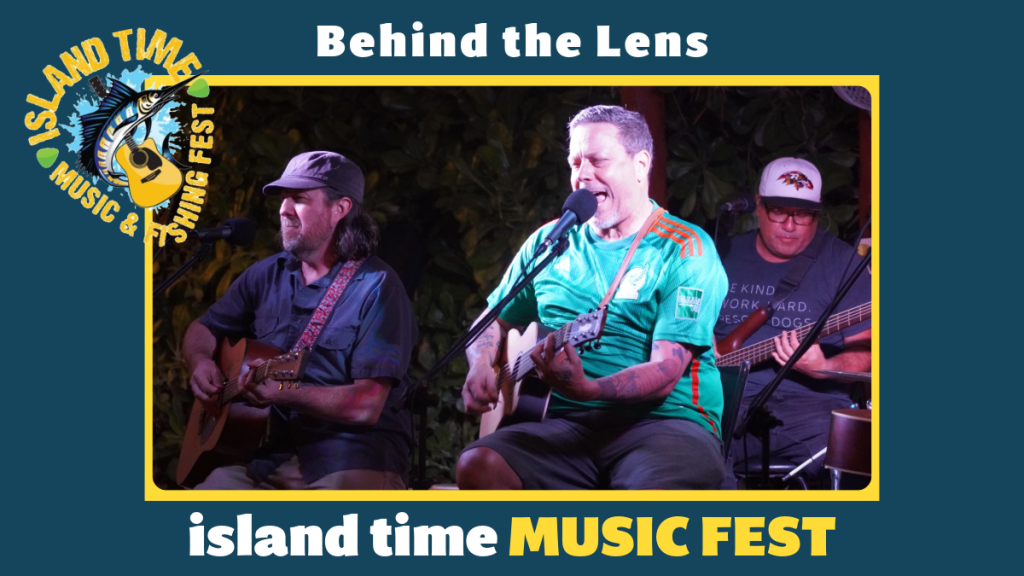
  • Behind the Lens – Island Time Music Fest

    Behind the Lens – Island Time Music Fest


    Three Days, Five Venues, Countless Moments – Capturing the Heartbeat of a Festival with Purpose

    There’s something about February on Isla that feels different. The air still carries that off-season calm, but there’s a slow build — a current — a feeling that something big is coming. If you know, you know.

    For me, it hits the moment I start charging batteries and clearing SD cards. That pre-show electricity that hums just beneath the surface. Because when the Island Time Music Festival rolls into town, this quiet little island turns into something else entirely.

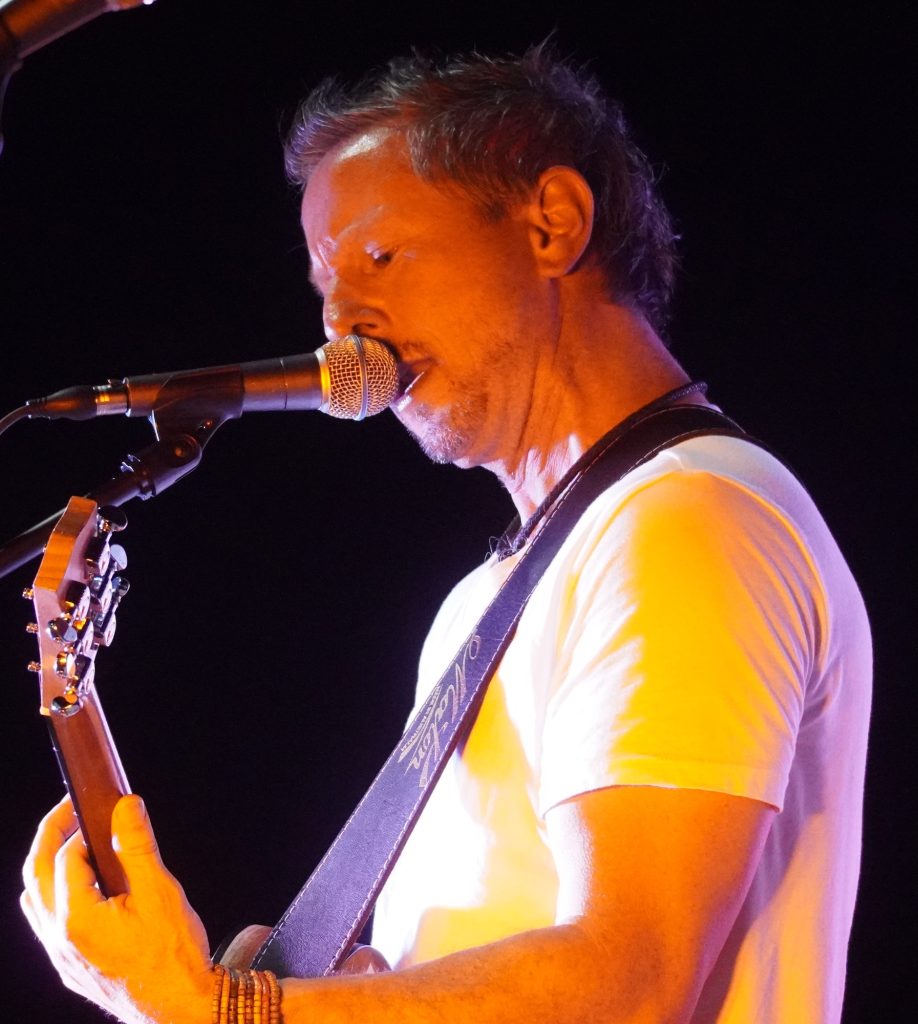
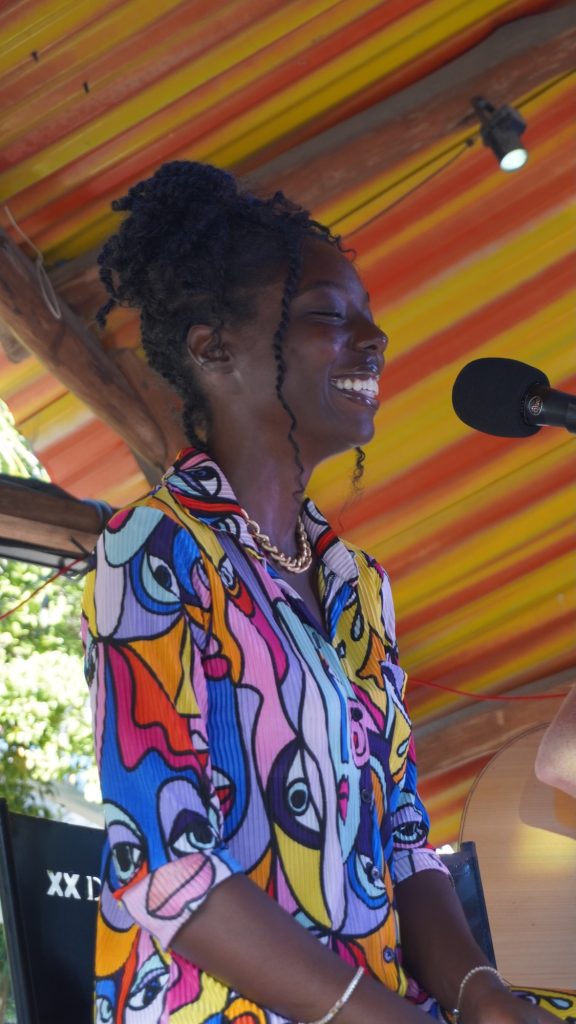
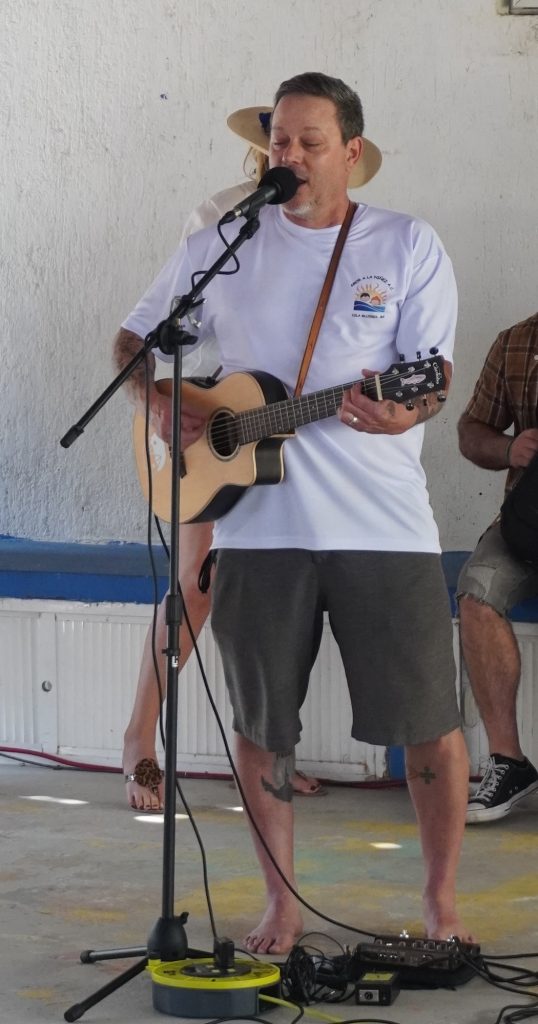
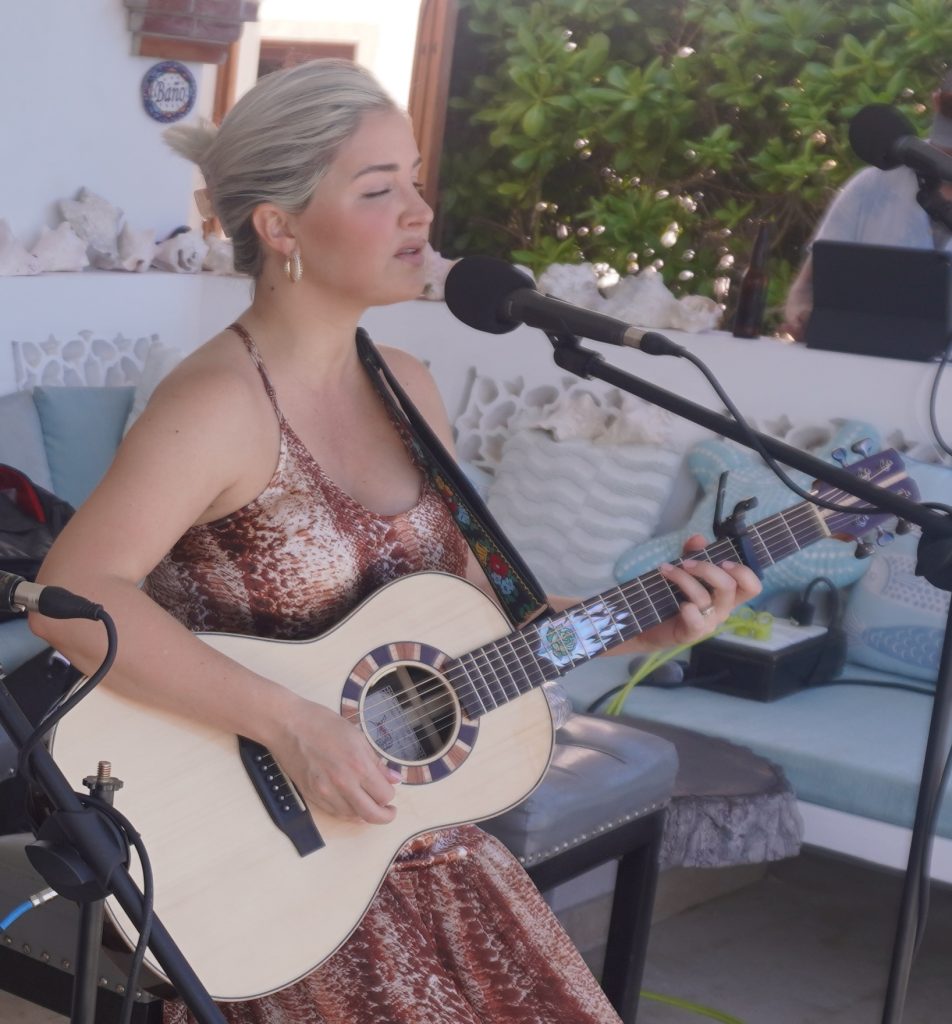
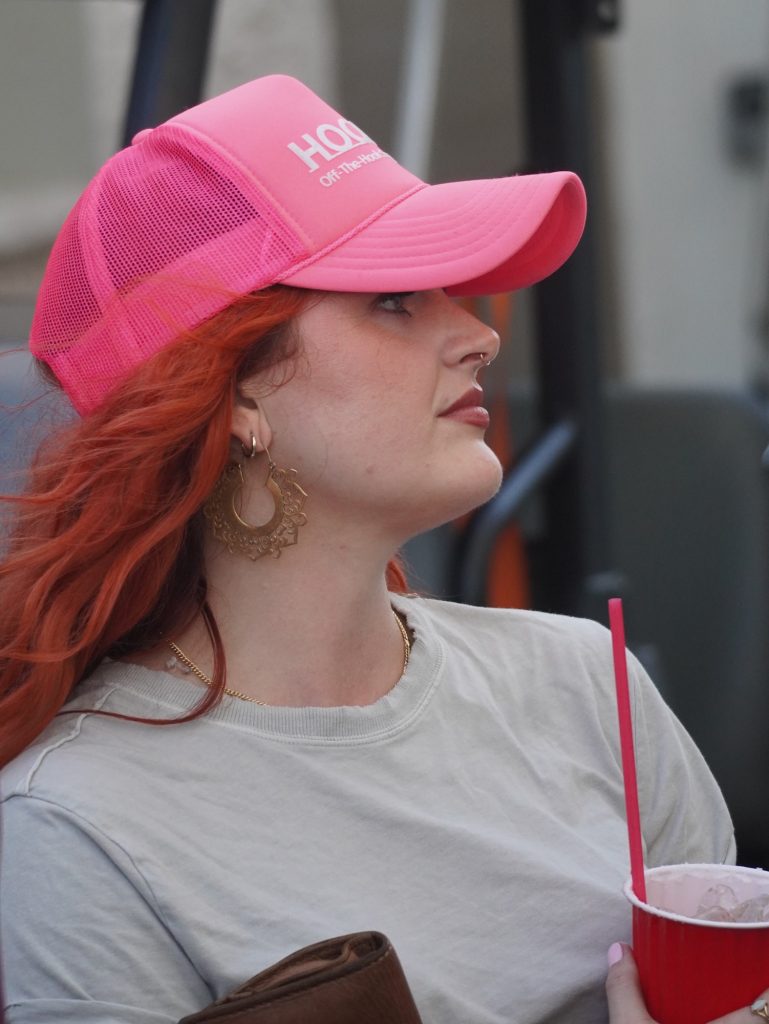
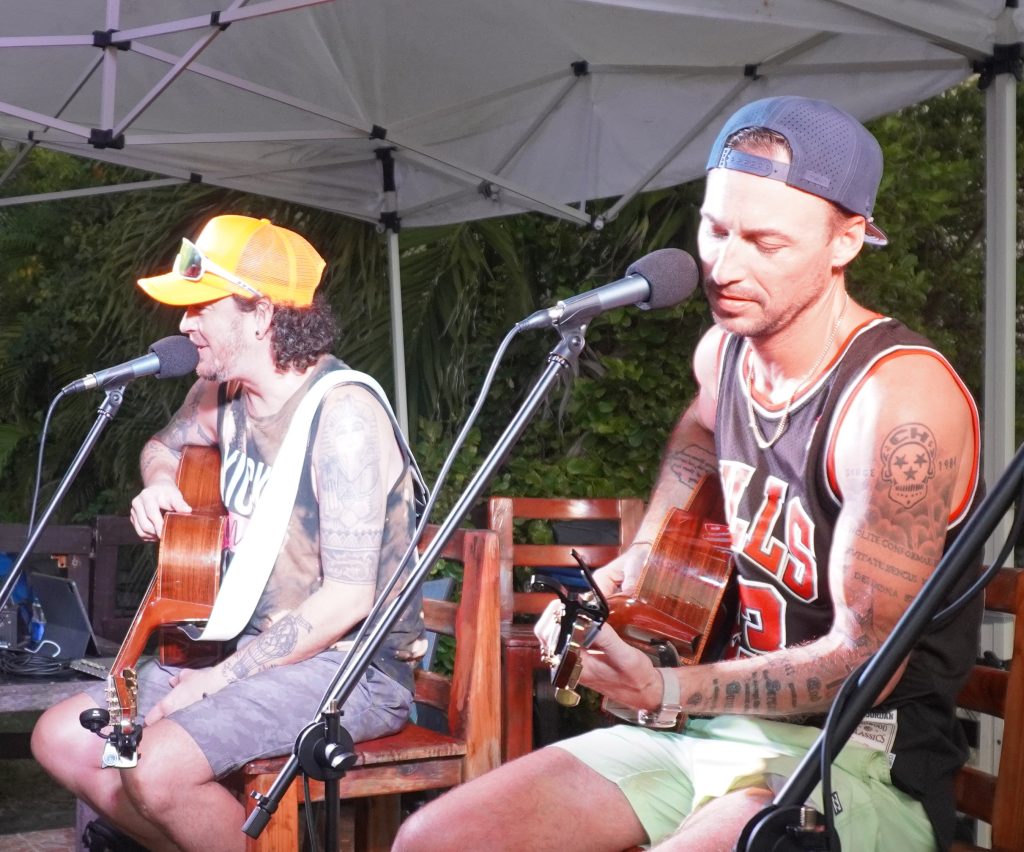
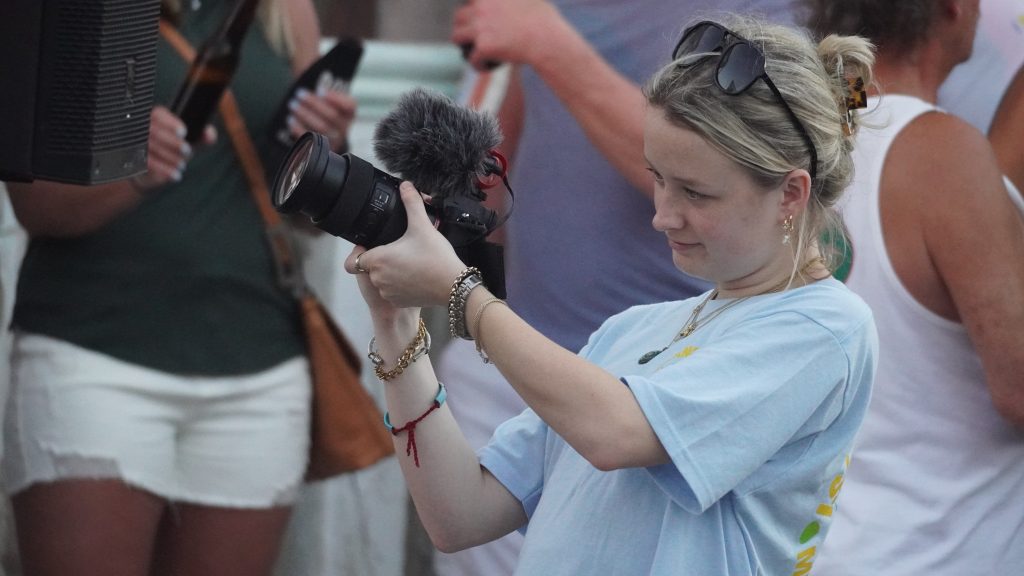
    This was my second year covering the festival with Shivermedia. I signed on again to shoot video, snap photos, and manage social media for the festival — posting live, capturing energy, and sharing moments in real time while also preserving them for what comes after. Sounds simple. But behind the scenes, it’s a full-on sprint.

    The Build-Up Begins Long Before the Music

    Before a single note gets played, there’s a small crew working stateside, making sure the whole thing can even happen. Shellee (the champion of the festival), Skip, and Taylor — they’re the heartbeat of the production team. Every flight booked, every artist wrangled, every wristband counted, every fundraiser coordinated — it’s them. They’re not just event organizers; they’re miracle workers with day jobs, pulling this all together out of pure passion and a deep love for both this island and the cause that drives it.

    What most people don’t see is how much happens before anyone ever steps on a plane. It’s weeks, sometimes months, of coordination. Of spreadsheets, shipping snafus, phone calls, and last-minute pivots. And they do it not for glory, but for something much bigger.

    What We’re Really Here For: The Little Yellow Schoolhouse

    This isn’t just a music festival. Island Time exists to support the Little Yellow Schoolhouse — a nonprofit here on Isla Mujeres that provides education and therapy for children with disabilities. It’s a special place. Quiet, powerful, and deeply loved by the community. And it’s the reason artists fly in, volunteers sign up, and venues open their doors.

    When you walk through the school’s gates, it’s impossible not to feel it. The walls are painted bright, the classrooms are small, and the work being done inside is life-changing. Therapists, teachers, and staff stretch limited resources as far as they can — but the need is always greater. That’s where the festival comes in.

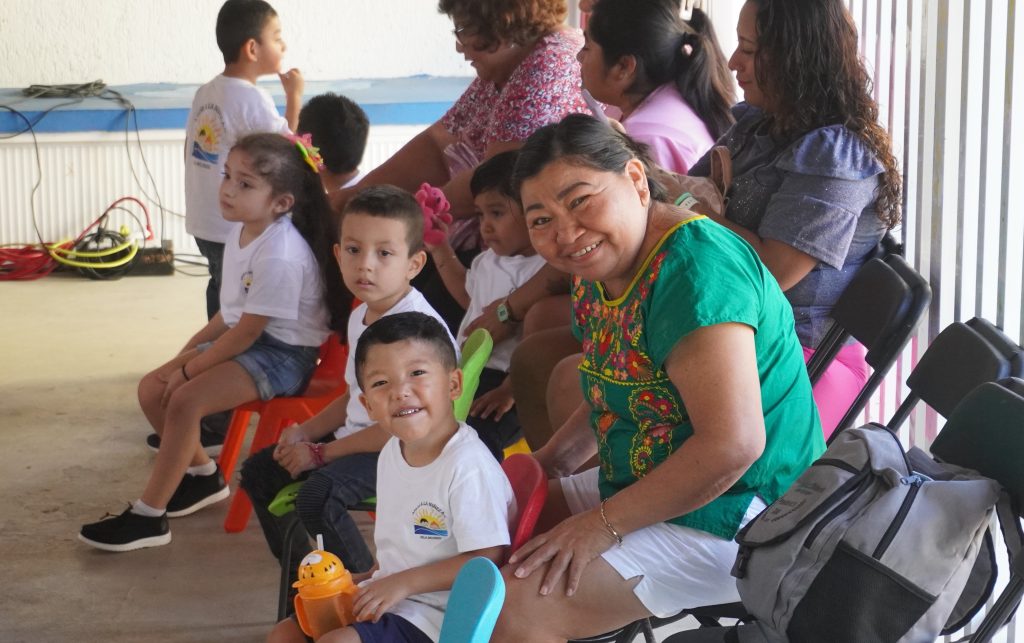
    And this year, when a few of the artists visited the school and played for the kids? That was it. That was the moment. The kids danced, clapped, beamed. Pure joy. No stage, no ego, just a shared moment. A reminder that the music matters, but the mission matters more.

    5 Venues. 3 Days. One Island-Wide Pulse.

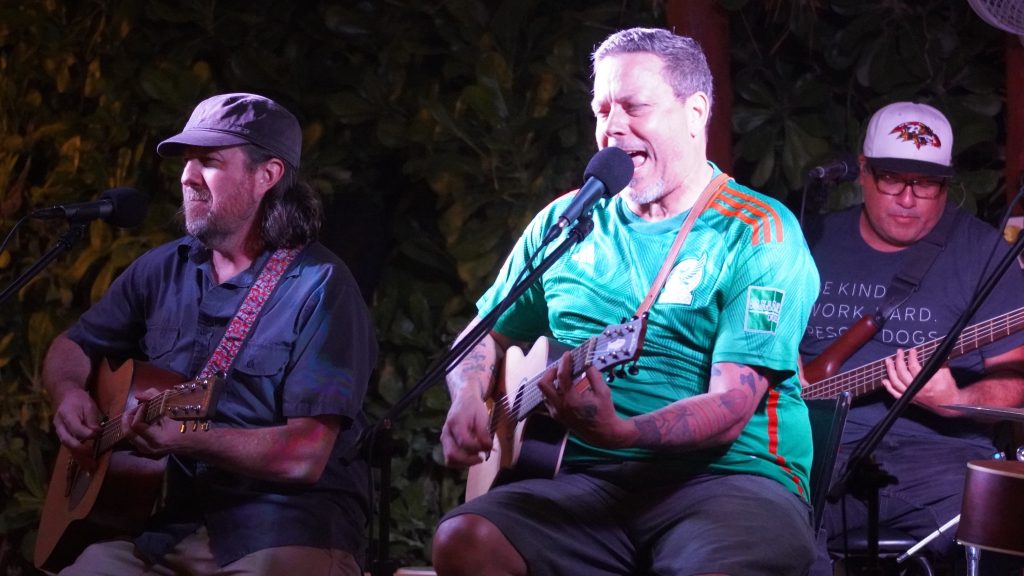
    This year’s lineup spanned five unique venues across Isla Mujeres: el Borracho Burro Cantina, Hacienda Caribe, Tiny Gecko, KinHa, and Zama Beach Club — each one adding its own personality to the experience.

    el Borracho Burro Cantina is like the island’s version of Cheers — tucked into the jungle with an open-air bandshell and daily good vibes. It’s welcoming, relaxed, and absolutely alive when the music kicks in. The kind of place where the bass feels grounded in the dirt and every face feels familiar.

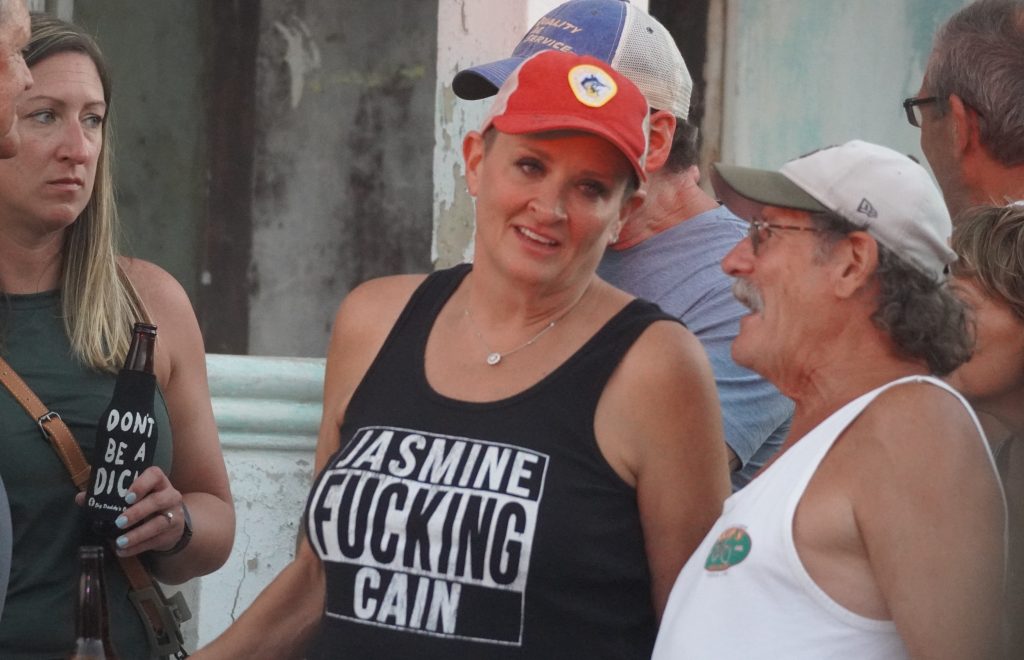
    Tiny Gecko kicked things off with a proper launch — a street party with the stage on the street outside the venue the crowd danced spilling over to the malecon. Artists and attendees moved together like one current, music echoing off the buildings, people dancing wherever they could find space. That night set the tone: loose, loud, and completely in the moment.

    Hacienda Caribe brought a slower, breezier rhythm — a pool party set against a Caribbean backdrop, casual and intimate, with DeNuccio’s providing food for the VIPs and that unmistakable ocean breeze rolling through the space. It felt like a secret spot you were lucky to be invited to.

    KinHa turned into an all-day beach club jam. With plenty of space, solid food, and room to lounge, dance, or float, the energy rolled from midday sun into golden hour without missing a beat. You could feel the music without ever leaving your chair — or dive into it headfirst.

    And finally, Zama Beach Club closed it all down. The last night of the festival, under a velvet sky, the big stage glowing, the sea just steps away. You could feel the whole crowd exhale as the final notes rang out — a kind of joyful exhaustion wrapped in gratitude and salt air.

    The Nashville Vibe, Isla Style

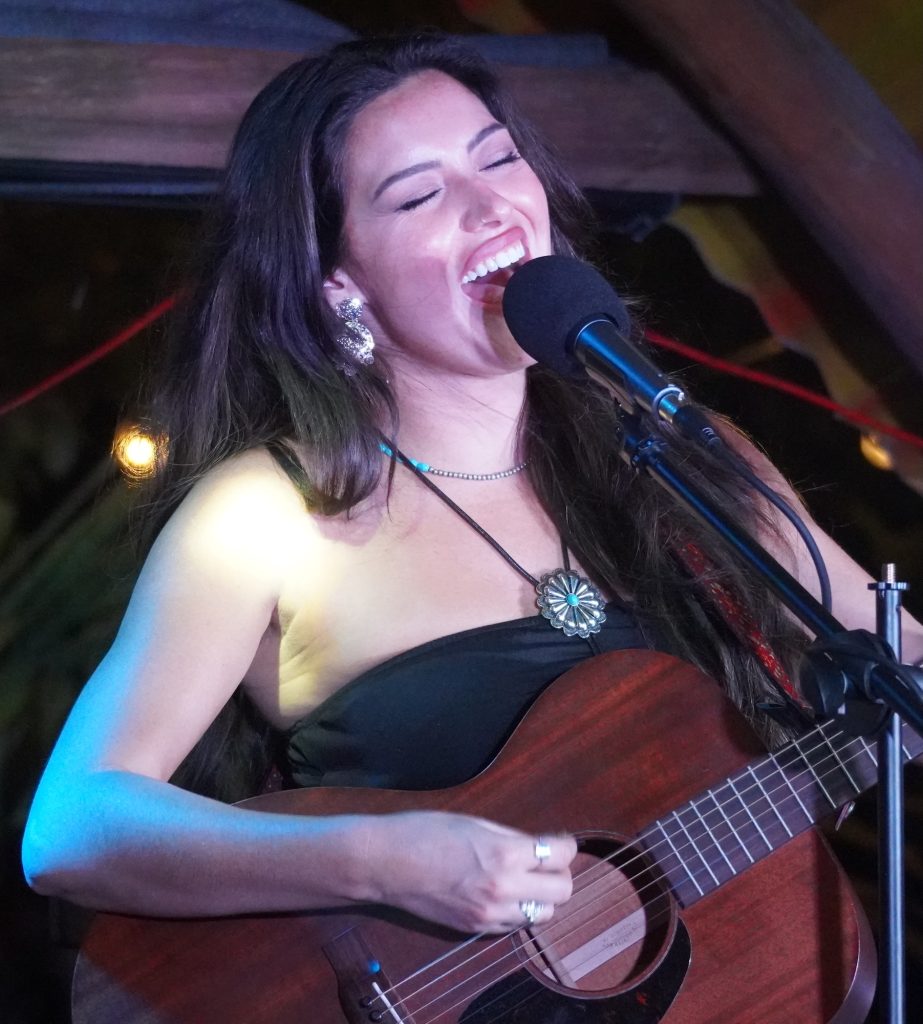
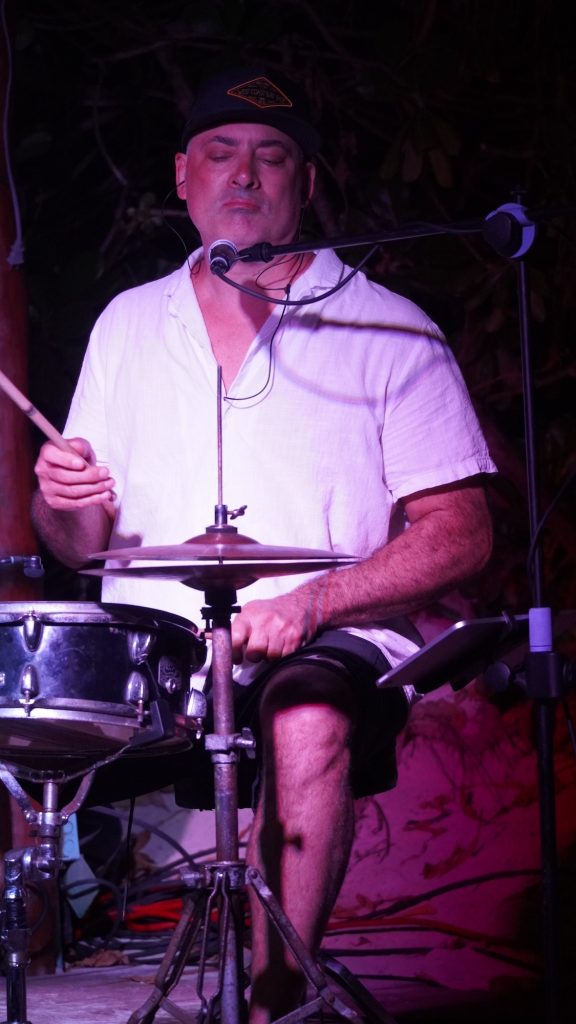
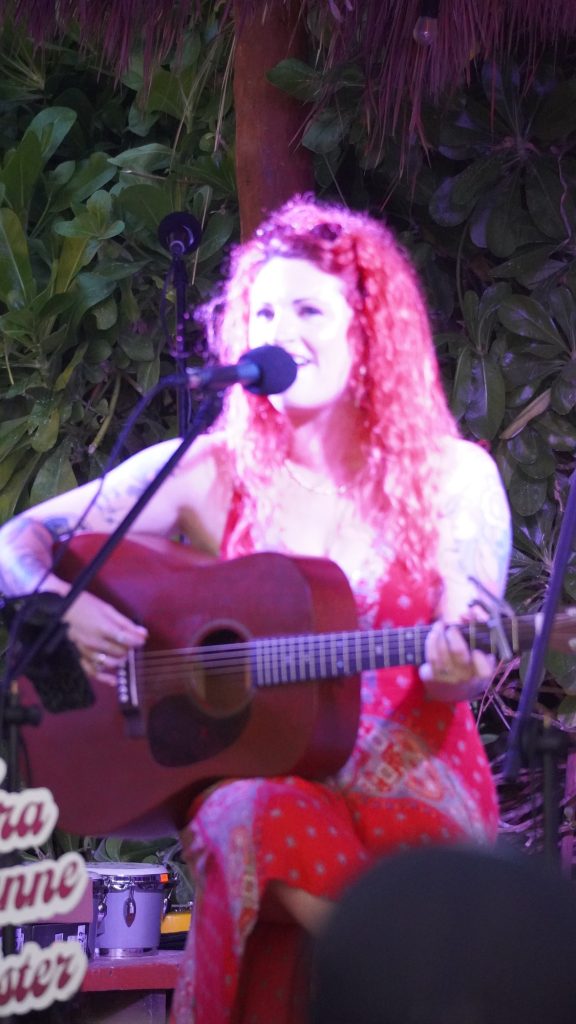
    There’s a soul to this festival that goes deeper than the palm trees and the playlists. It’s the Nashville thread — that raw, heartfelt, unpolished realness that runs through every set, every lyric, every busted string. And this year, the lineup brought it hard.

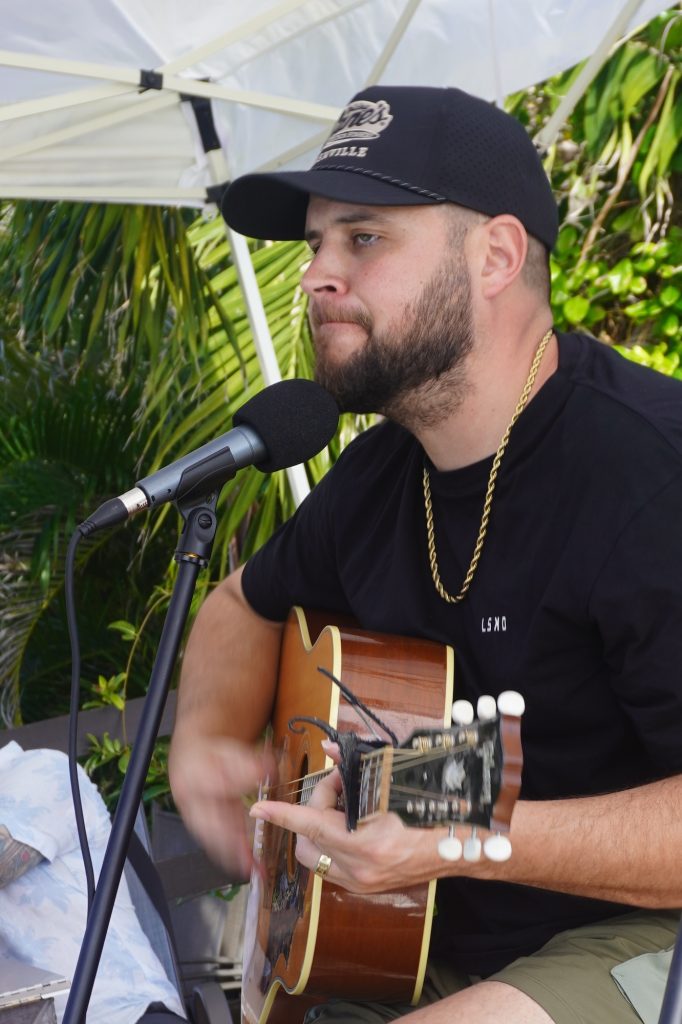
    Clayton Anderson, Runaway June, Izzy Malek, Jimmie’s Chicken Shack, Tenille Arts, Filmore, Tera Lynne Fister, Jon Stone, Love & Theft, Logan Mize, Nakessa, Maggie Rose, Emily West, Trent Tomlinson, and Leah Turner — each one showed up, not just to perform, but to give. They volunteered their time, brought their gear, their grit, and put on a helluva show at every stop.

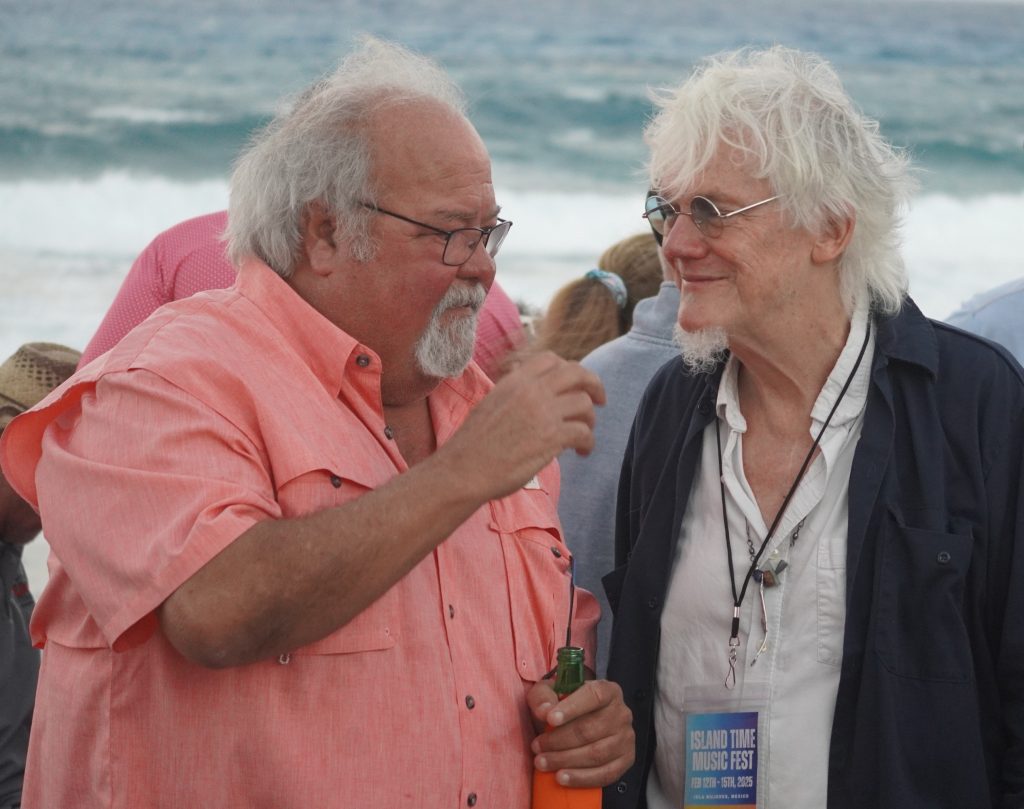
    Some are familiar faces — the ones who come back year after year because they believe in what this festival stands for. Others were new to Isla, wide-eyed and maybe a little unsure, until the crowd wrapped around them and they found their groove in the sea air. By the end, they were family too.

    This isn’t a commercial gig. There’s no red carpet, no massive rider. Just island vibes, barefoot stages, and an audience that’s close enough to touch the sound. That’s what makes it work. That’s why they keep coming back. And why we’ll keep showing up, year after year, to hear them play.

    Working the Festival: Behind the Scenes, Behind the Phone, Behind the Lens

    My role is a strange mix of autonomy and immersion. I’m not front and center, but I’m everywhere — moving fast, posting live when possible, catching the right angles while staying invisible enough not to interrupt the moment. There’s no one directing. No headset or checklist. Just the camera, a content plan, and the instinct to capture what feels true.

    There’s no tent, no media lounge, no production trailer. It’s just me, my gear, my instincts, and a deep sense of responsibility to do this justice. Sometimes it meant filming while pressed up against a speaker stack. Other times, crouching behind tables or halfway into tree beds just to stay out of sight and get the shot. Water bottles left behind. Sweat dripping. Airdropping clips between devices while uploading content from shady corners of courtyards with barely-there WiFi.

    This kind of work doesn’t come with applause — it’s not meant to. It comes with presence. With trusting yourself to show up fully, work independently, and let the story tell itself.

    You learn to work fast. To stay loose. To find beauty in imperfection. You miss meals, miss the show while you’re shooting it, and miss sleep reviewing the days content, cleaning thecardsand setting up for the next days venue.

    You don’t miss the meaning. You feel it, even when you’re exhausted.

    The Volunteer Force That Keeps the Wheels Turning

    If you’ve ever wondered how a festival like this actually holds together — with artists moving between venues, volunteers showing up in the right place, credentials getting checked, people getting fed, and content going up close to live — the answer, in two words, is Laura and Karen.

    They coordinate the volunteer team here on the island. From organizing passes to assigning shifts, making sure artists get where they need to be, and even getting me better internet mid-show so I could keep posting in real time — they don’t stop. They’re in constant motion, solving problems before most people even notice there is one.

    And the wild part? They make it look easy.

    But what really makes it work — what makes the volunteer crew such a solid force — is the relationships Laura and Karen have built on this island. People show up for them. Again and again. Because they’ve earned that trust. That respect. That kind of leadership isn’t loud — it’s rooted. It’s consistent. It starts long before opening night and doesn’t end until everything’s packed up and done.

    This festival doesn’t run on luck. It runs on people like them.

    What the Camera Caught — and What It Didn’t

    The reels you’ve seen? The highlight videos? Those are just a fraction of it. What they don’t show is the downtime between sets, when artists laugh and share stories. Or the quiet way someone hands over a donation envelope without needing recognition. Or the family who comes every night, dancing at the edge of the crowd just to be close to it all.

    You don’t always film those moments. Sometimes they’re meant to be felt, not posted.

    The Real Work Happens After the Applause

    After the last song fades, that’s when my work really begins. The island sleeps, but I’m sorting through thousands of photos and clips, logging files, organizing timelines, and building something that reflects the truth of what just happened. It’s not just about the perfect shot. It’s about the rhythm — the story — the thread that ties it all together.

    I sit in my studio, sandy gear still unpacked, editing until my fingers go numb. Because this deserves care. This deserves attention. This isn’t content. It’s community.

    Why I’ll Keep Coming Back

    Every year, I wonder if I’ll be able to keep up with the pace. If the tech will cooperate. If the shots will land. If the stories will be told right. But every year, the people remind me why I show up.

    This is the kind of work I want to be doing. It’s not about followers or reach or polish. It’s about heart. About capturing something real — something that helps support kids, connect artists, and keep a beautiful tradition alive on this little stretch of sand.

    To Shellee, …the one everyone quietly knows is the backbone of the whole operation — the reason things work, even when they shouldn’t. Skip, Taylor — you make it all possible. To the artists — you bring the soul. To the venues — thank you for opening your doors and trusting the process. To the volunteers — you’re the reason this even works. And to the kids at the Little Yellow Schoolhouse — you are the why. Always the why.

    And to the crew, Much appreciation @cisnesFotografica

    I live here. This is home. And being able to document something this real, this good, right here where I swim every morning and work every day — that’s not lost on me.

    I’ll keep showing up. Camera in hand. Still sweaty. Still grateful.

    Still telling the stories that matter.

    Want to experience it for yourself?

    The full video recap is coming soon to Shivermedia’s YouTube and Instagram. Watch, listen, and remember what Island Time really feels like.