By ShiverMedia | Digital Marketing Strategy for Small Business
Most small business owners didn’t start their business to become marketers. You started because you’re brilliant at what you do, whether that’s running a boutique hotel, guiding wilderness tours, building a local service brand, or creating experiences that people genuinely remember. Marketing was supposed to be the easy bit.
Except it rarely is. There is a learning curve you don’t have time for and that leaves reenue on the table.
The reality for most small businesses is this: you post on Instagram when you remember to, send emails sporadically, tweak your website once in a blue moon, and hope that word-of-mouth carries you through the quieter months. Sometimes it does. However, hoping isn’t a strategy and inconsistency is quietly costing you customers you’ll never know you lost.
A good marketer doesn’t just run your socials or send the occasional newsletter. They build the infrastructure around your business that creates visibility, generates leads, converts interest into bookings, and keeps customers coming back long after their first experience with you. Here’s exactly how that works.
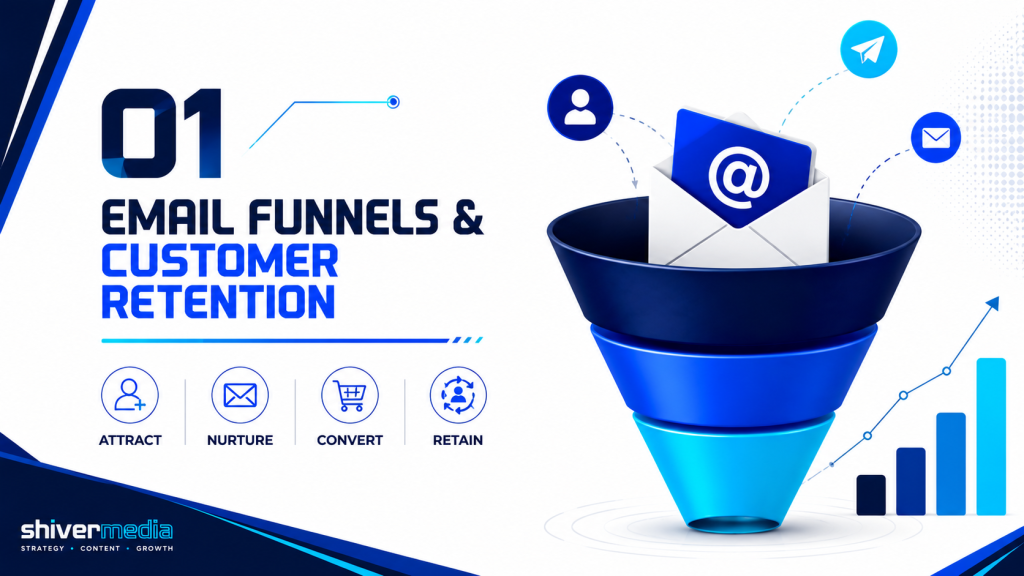
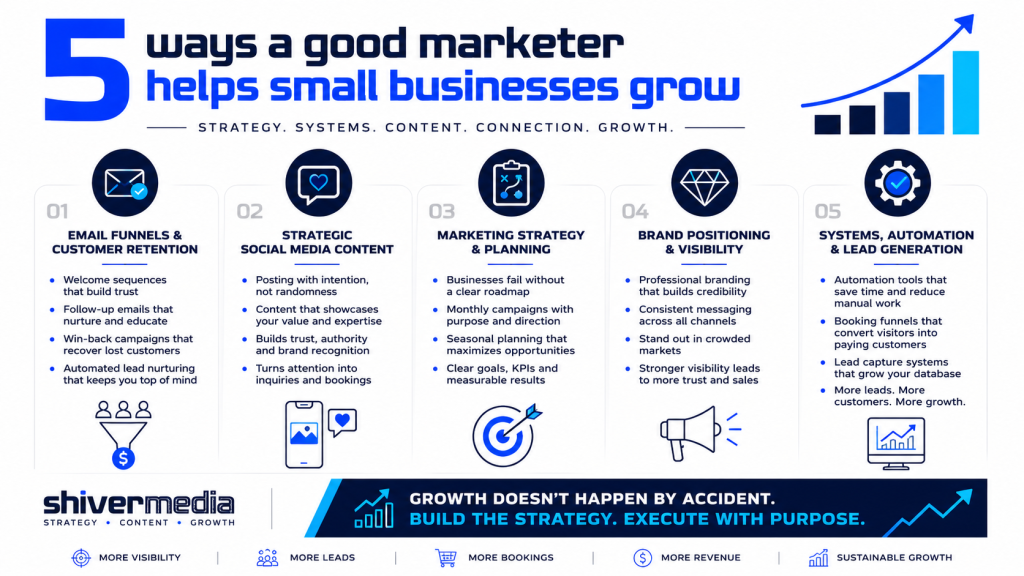
1. Email Funnels & Customer Retention: The Money Is Already in Your List
Here’s something most small business owners hear but never actually act on: email marketing consistently delivers the highest return on investment (ROI) of any digital channel. Not Instagram. Not Google Ads. Email.
But there’s a big difference between having a mailing list and having an email system that works for you.
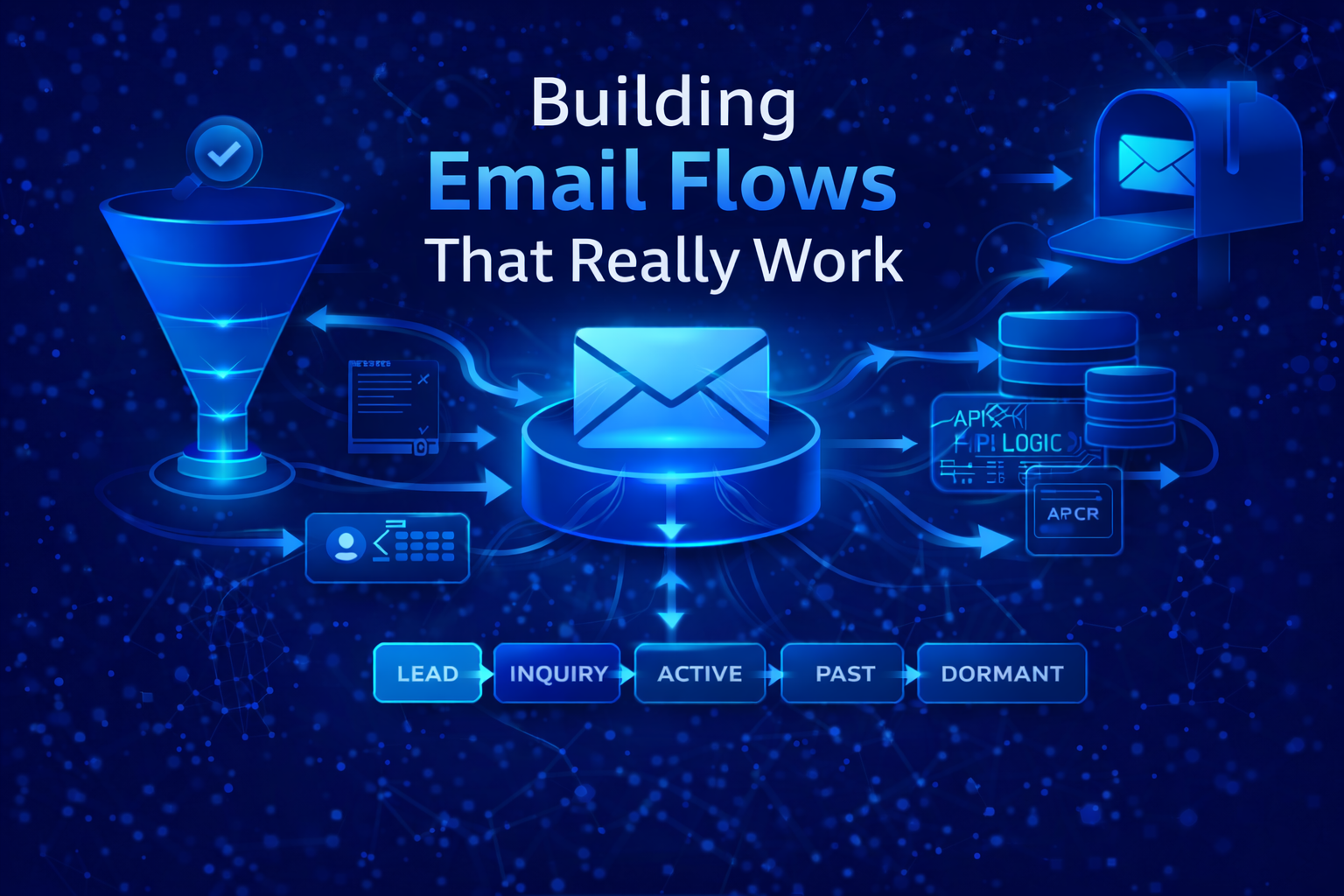
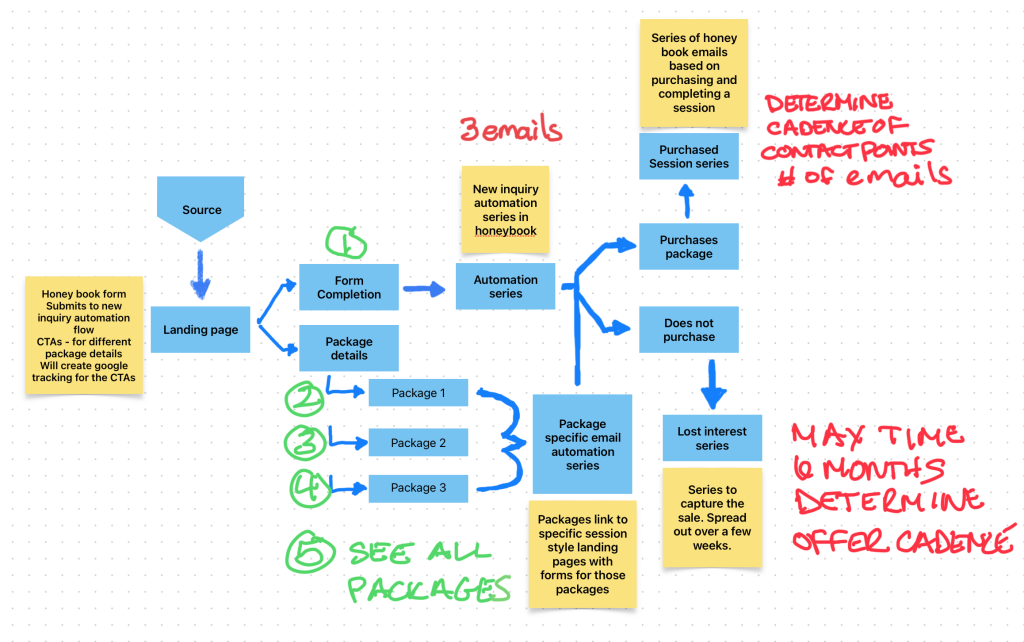
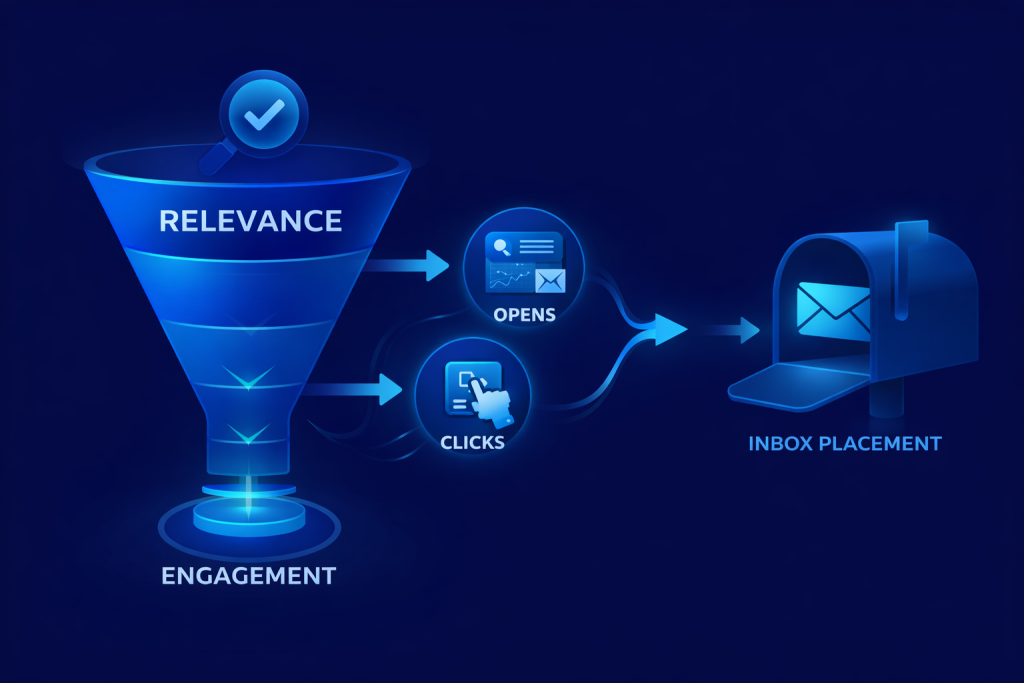
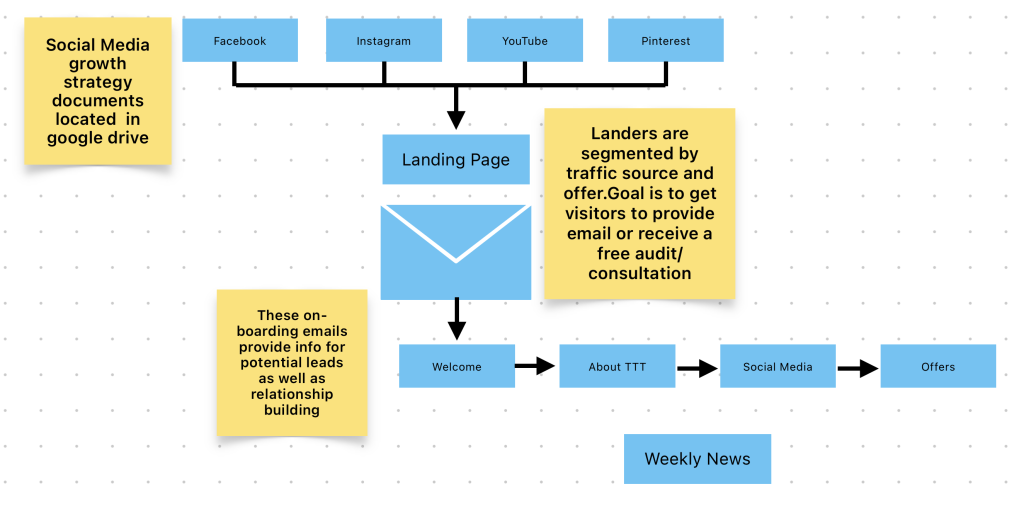
A good marketer builds funnels with structured sequences of emails that guide a potential customer from “I’m mildly interested” to “I’m ready to book.” When someone signs up through your website or downloads your travel guide or enters your competition, what happens next? If the answer is “nothing for a week and then a general newsletter,” you’re leaving real revenue on the table.
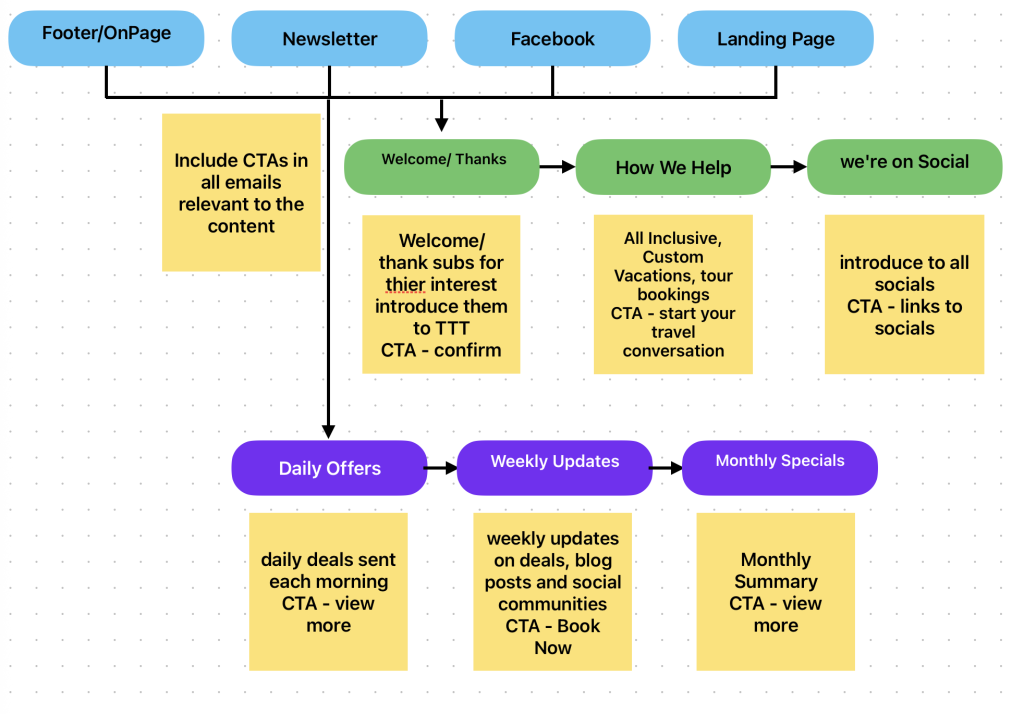
Welcome sequences are the foundation. When someone joins your list, they’re at peak curiosity and that’s the moment to deliver value, tell your story, and start building trust. A well-written 3-5 email welcome sequence introduces who you are, showcases your best products or services, and makes a compelling first offer. This alone has been shown to drive 3x higher open rates compared to regular campaigns.
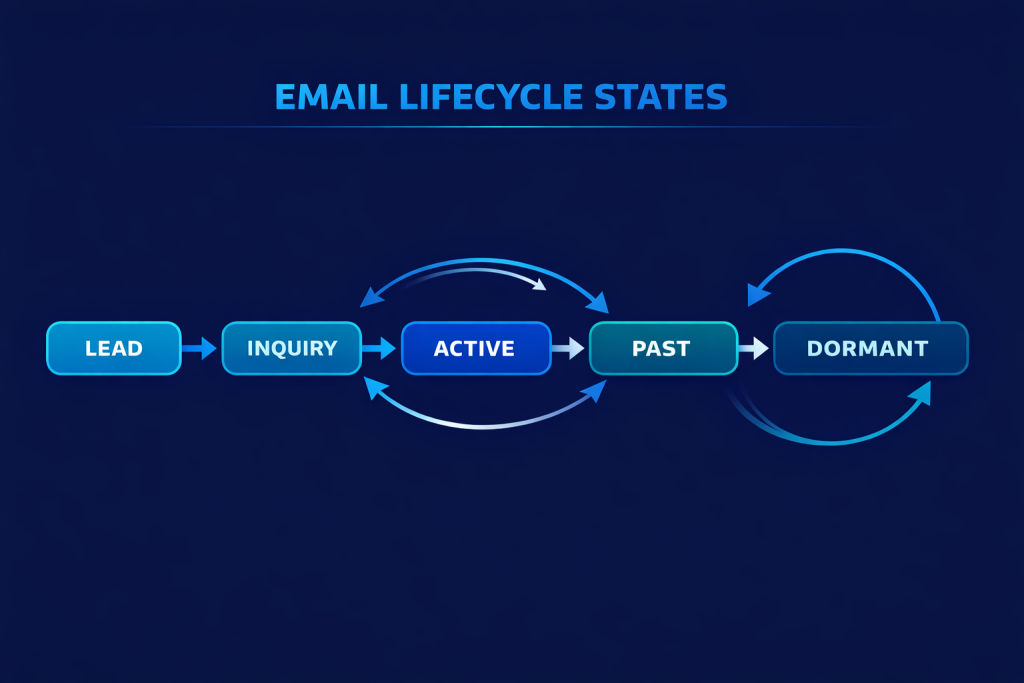
Follow-up automation keeps warm leads warm. Someone visited your pricing page three times but didn’t enquire? A smart email sequence can catch that moment and nudge them forward. Someone enquired six months ago but didn’t commit? A well-timed re-engagement email with a seasonal offer can bring them back.
Win-back campaigns target lapsed customers. You know the people who booked once, had a great experience, and then… went quiet. A strategic sequence reminding them of what they loved, combined with a loyalty offer or exclusive deal, reactivates customers who already trust you. Acquiring new customers costs five times more than retaining existing ones. Most small businesses focus almost entirely on acquisition. A marketer shifts that balance.
Automated lead nurturing means your email system runs while you sleep. Every lead gets followed up. Every enquiry gets nurtured. Your business doesn’t drop the ball when you’re busy running the actual business.
2. Strategic Social Media Content: Stop Posting, Start Communicating
Showing up on social media isn’t the same as using social media strategically. There’s a version of social media marketing that keeps you busy but drives very little business and that is posting pretty pictures, reacting to trends, and getting the occasional like from your mum.
Then there’s the version that actually works.
Posting with intention means every piece of content has a purpose. Brand awareness. Social proof. Education. Conversion. You don’t need to post every day. You need to post the right content consistently. A marketer maps your content to a strategy so your Tuesday post builds trust, your Thursday post addresses a common objection, and your weekend post makes it easy for someone to take the next step.
Consistency builds trust. For small businesses especially in travel, tourism, hospitality, and local services customers are making decisions based on perceived reliability. If your last Instagram post was three months ago, that signals something. If your content is irregular, inconsistent in tone, or visually scattered, it creates subconscious doubt. A marketer creates and maintains the kind of feed that makes a potential customer feel confident.
Content that converts doesn’t happen by accident. It’s crafted around your ideal customer and what they’re searching for, what objections they have, what would push them to enquire today rather than save-for-later and forget. Good marketers don’t just create content; they create content that moves people along a decision journey.
For travel and hospitality brands, this might look like: a series of destination deep-dives that capture search interest, paired with customer stories that build social proof, leading to a time-sensitive offer that creates urgency. Every piece serves the funnel.
3. Marketing Strategy & Planning: A Roadmap Is Not Optional
Ask most small business owners what their marketing plan is, and you’ll get one of two answers: “We’re going to do more social media” or a long pause. Neither of those is a strategy.
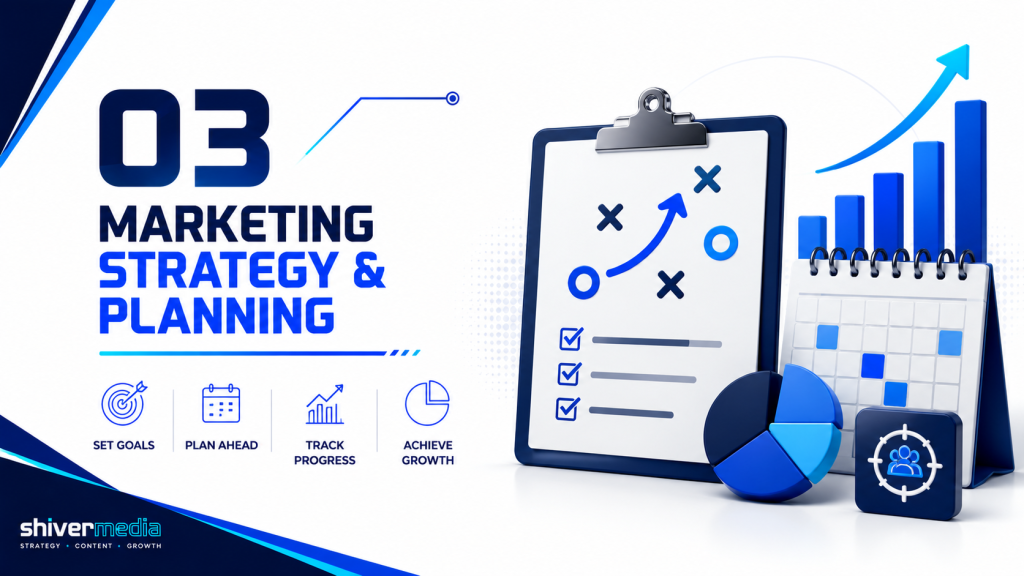
The businesses that grow consistently, not just when they get lucky, are the ones operating from a clear marketing roadmap. They know what they’re running in January, what the big push is in March, how they’re capitalising on peak season in summer, and what their autumn retention campaign looks like.
Why businesses fail without a plan: Marketing without strategy is just activity. You spend time and money creating content, running ads, or sending emails, however with no clear goal, no defined audience, and no coherent message, results are random at best. A good marketer starts with the business goals and works backwards. What revenue target are we chasing? What does the customer journey look like? Where are the gaps, the ones that are leaving revenue on the table?
Monthly campaigns give your marketing rhythm and momentum. Rather than improvising week to week, a structured monthly plan means every piece of content, every email, every social post is pulling in the same direction. January might be about showcasing early-bird offers for the spring season. February might be Valentine’s campaigns. Each month has a theme, a goal, and a measure.
Seasonal planning is critical for travel, tourism, and hospitality businesses. These industries are where demand is inherently cyclical. A marketer helps you use quieter months to build pipeline, not panic. They’re planning your peak-season campaigns weeks in advance, not scrambling the week before.
Clear goals and KPIs transform marketing from a guessing game into a management tool. Website traffic. Enquiry rate. Email open rate. Cost per lead. Customer lifetime value. When you know what you’re measuring, you can improve it. Without measurement, you’re flying blind.
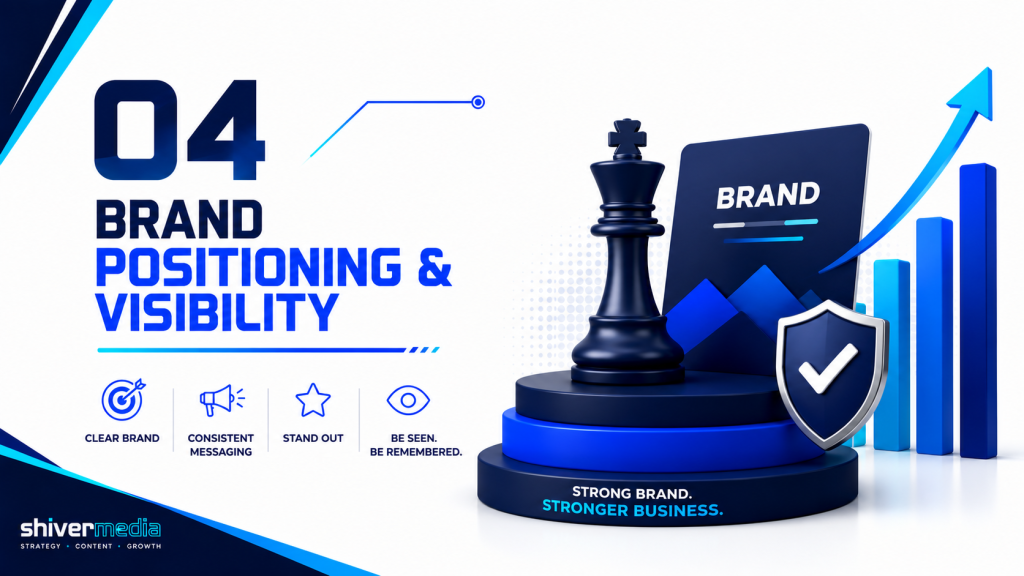
4. Brand Positioning & Visibility: Why You’re Being Overlooked
In a crowded market, the best product doesn’t always win. The most visible, most trusted, best-positioned brand does.
Small businesses often underestimate how much first impressions matter online. Your potential customer might find you through a Google search, a social media post, a referral link, or a directory listing. The question is: when they land on your website or your Instagram profile, does what they see make them feel confident? Or does it raise quiet doubts?
Professional branding isn’t about spending a fortune on design. It’s about consistency, clarity, and intention. A clear logo, a coherent colour palette, a tone of voice that sounds human and trustworthy. They’re the difference between someone enquiring and someone bouncing back to Google to find your competitor.
Consistent messaging across all touchpoints. This includes your website, your social media, your email campaigns and your Google Business profile. Every time your ideal customer encounters your brand, they should get the same clear impression of who you are, what you do, and why you’re the right choice. Inconsistency fractures that impression.
Standing out in crowded markets requires knowing who you’re talking to and positioning yourself specifically for them. A marketer helps you identify what makes your business genuinely different and not just “great service” and “years of experience”. It will also communicate that difference clearly and repeatedly. For local service businesses, this might be hyper-local content marketing. For travel brands, it might be a distinctive content style or a specialist niche that competitors aren’t covering.
Brand awareness is a long game, but it’s not a slow one when it’s being built with strategy. Every blog post, every social campaign, every email drives incremental visibility that adds up to a brand people recognise, trust, and choose.
5. Systems, Automation & Lead Generation: Work Smarter, Grow Faster
The difference between a small business that plateaus and one that scales is almost always systems. You can work harder, work longer hours, reate more content, more outreach or you can build infrastructure that works consistently whether you’re at your desk or on a day off.
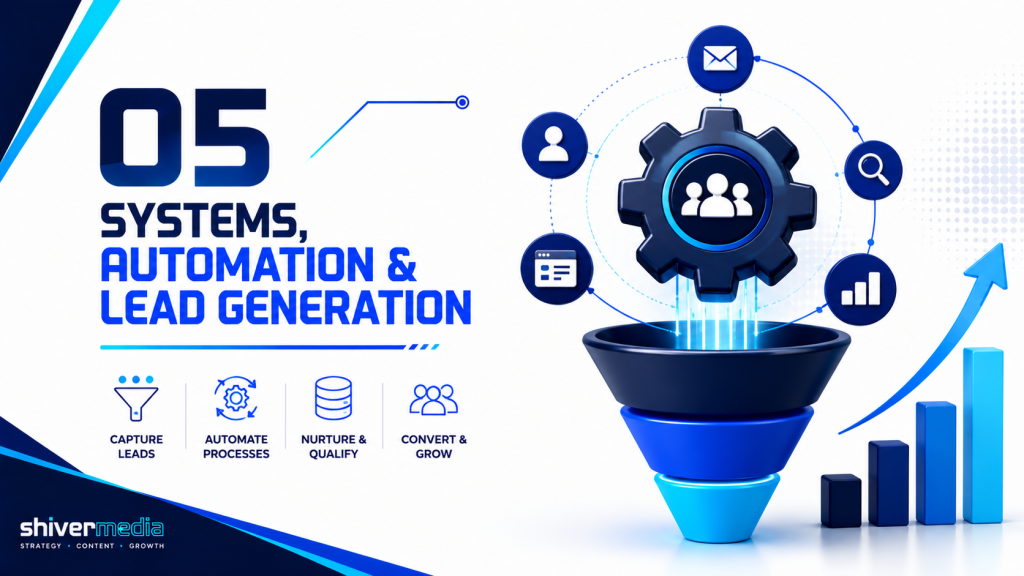
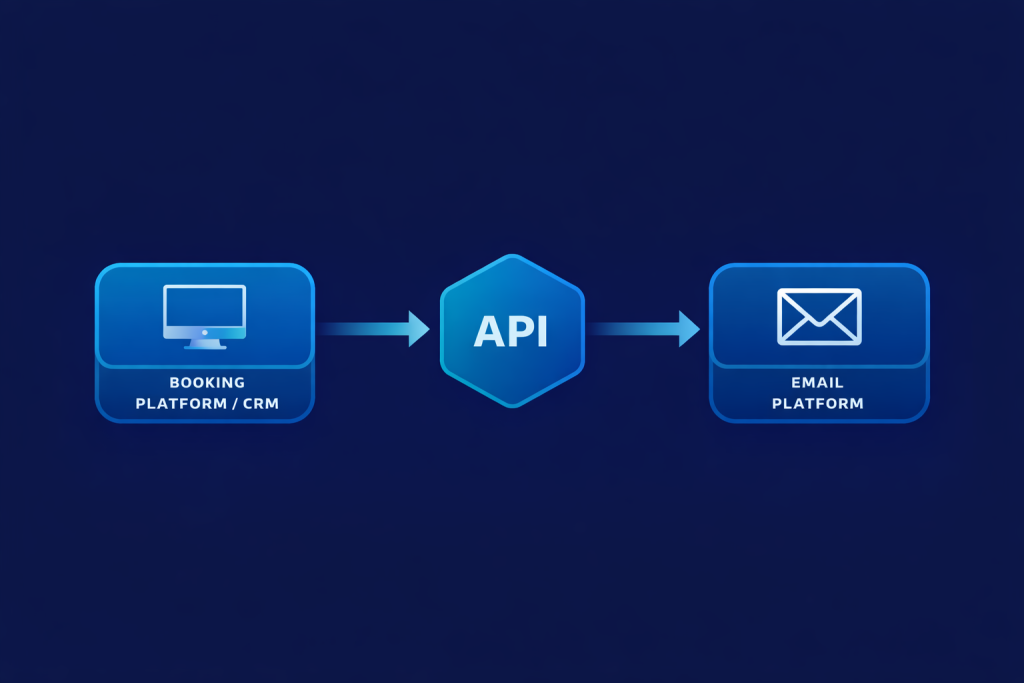
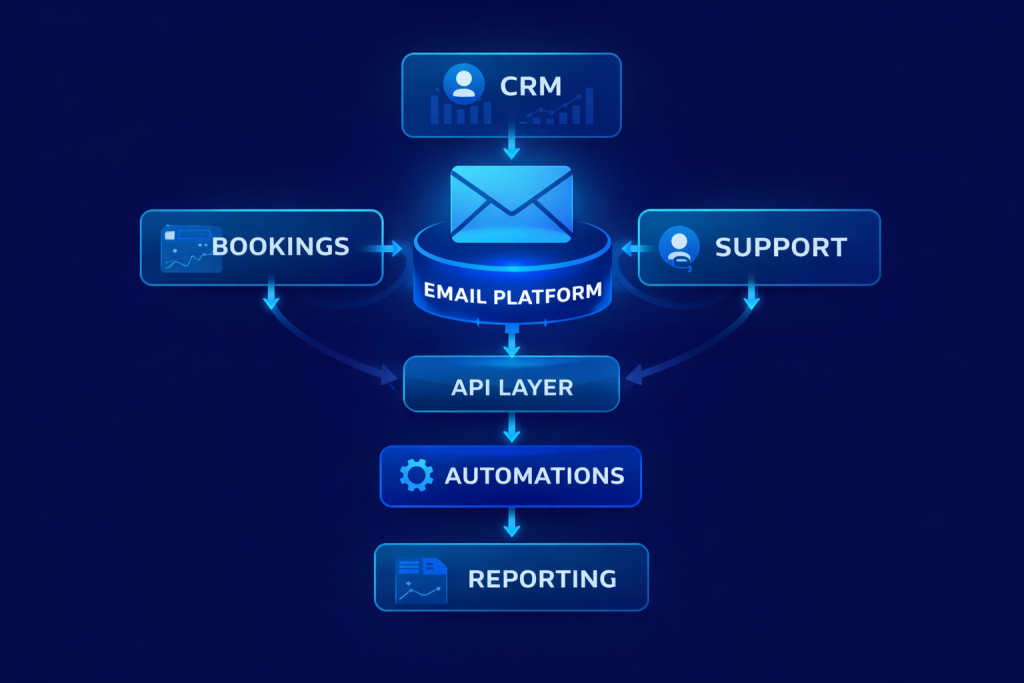
Automation tools have become genuinely accessible for small businesses, and a good marketer knows how to deploy them. Email automation. CRM integration. Chatbots for enquiry handling. Social scheduling. Automated review requests. Each of these removes a manual task from your plate while ensuring nothing falls through the cracks.
Booking funnels are the hidden growth engine for travel, tourism, and hospitality businesses. A booking funnel starts with attraction (SEO, social content, ads) and guides a potential customer through discovery, consideration, and conversion, all within a system that’s been designed to reduce friction and increase commitment. Every unnecessary click is a drop-off point. A well-built funnel eliminates them.
Lead capture is where many small businesses haemorrhage opportunity. You’re driving traffic and people are visiting your website, clicking your links, reading your content, but if there’s no mechanism to capture their details, they leave and disappear forever. A marketer builds lead magnets, landing pages, opt-in sequences, and enquiry flows that convert anonymous visitors into identified prospects you can actually follow up with.
Saving time while increasing conversions is the real promise of marketing automation. When your systems are set up correctly, a new enquiry triggers an immediate, personalised response. A new subscriber starts a nurture sequence. A lapsed customer receives a re-engagement email. All of this happens automatically, leaving you free to focus on delivering the exceptional experience that keeps people coming back.
The goal isn’t to make your business feel robotic, it’s to make sure that every lead gets the attention they deserve, consistently, without burning you out.
The Bottom Line
Growing a small business in a competitive market, especially in travel, tourism, hospitality, or local services requires more than showing up and hoping for the best. It requires a strategy, a system, and someone who knows how to execute both.
A good marketer isn’t a cost centre. They’re a growth engine. They build the email funnels that retain your customers, the social content that builds your audience, the strategy that gives your campaigns direction, the brand positioning that makes you the obvious choice, and the systems that generate leads while you sleep.
The businesses that grow aren’t the ones with the biggest budgets. They’re the ones with the smartest strategies and the right people executing them.
Ready to build a marketing system that actually works for your business?
ShiverMedia works with small businesses in travel, tourism, hospitality, and local services to create strategic, results-driven marketing that builds real, sustainable growth.
Get in touch with ShiverMedia today! Are you reasy to capture more and create something worth talking about.
ShiverMedia / Strategic Digital Marketing for Small Businesses That Mean Business.